

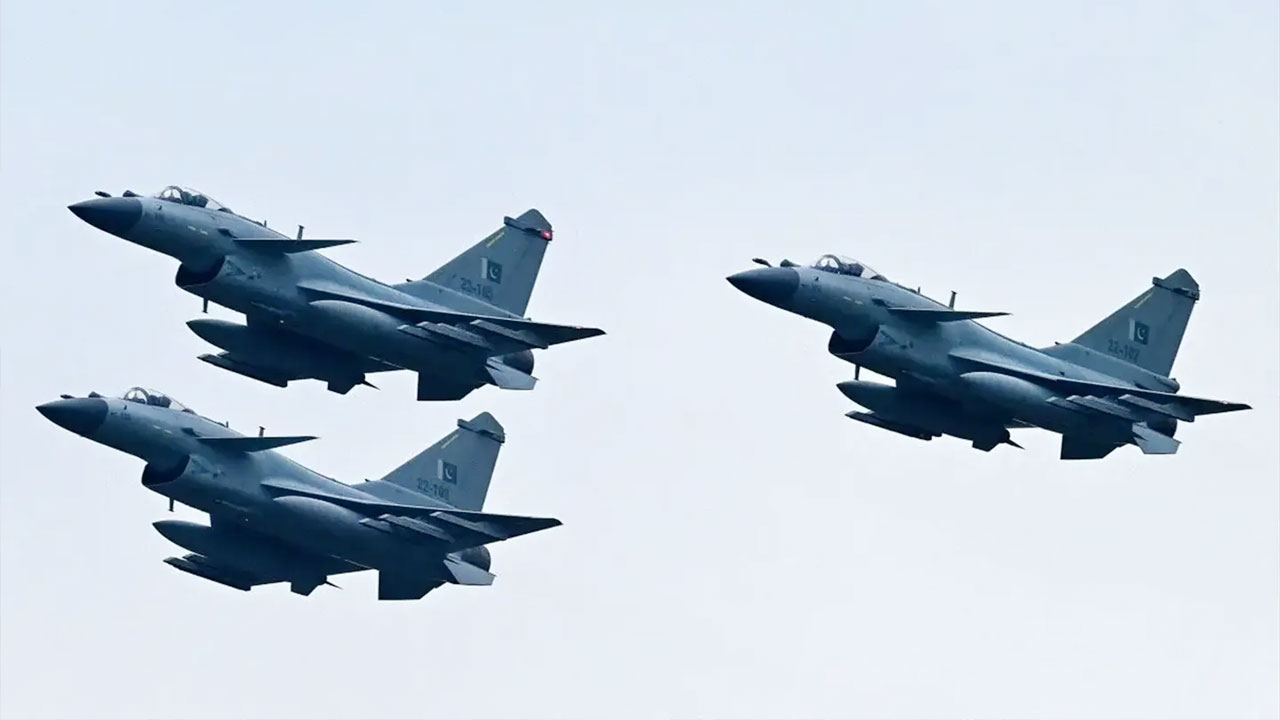

Bangladesh is moving closer to finalizing a major defense deal with China to purchase 20 J-10C multi-role fighter jets as part of efforts to modernize its air force and strengthen national air defense.
According to government and defense sources, the proposed agreement is valued at approximately USD 2.20 billion (around BDT 27,060 crore), which includes aircraft procurement, pilot training, maintenance, and associated costs.
Deal Structure and Financing
The purchase will take place on a government-to-government (G2G) basis, with plans to finalize the agreement during the 2025–26 or 2026–27 fiscal years. Payment will be made in installments over a 10-year period, extending up to the 2035–36 fiscal year.
Each aircraft is priced at about USD 60 million, while additional allocations for training, equipment, transportation, insurance, VAT, and maintenance bring the total cost to USD 2.20 billion.
Capabilities of the J-10C Fighter
The J-10C, also known internationally as the “Vigorous Dragon,” is a fourth-generation multi-role combat aircraft developed by China.
It can reach speeds of Mach 2.2 and has an operational range of around 1,850 kilometers.
The jet can carry out both air-to-air and air-to-ground missions, is equipped with advanced radar and smart weapon systems, and can operate in coordination with drones and other combat platforms.
Review and Oversight
A high-level inter-ministerial committee led by the Chief of Air Staff is currently reviewing the draft contract. Representatives from the Defense, Finance, Law, and Economic Relations Divisions are also part of the team. Their responsibilities include finalizing pricing and payment terms, training and maintenance arrangements, and ensuring proper implementation of the G2G framework.
Current Air Force Strength
The Bangladesh Air Force currently operates around 212 aircraft, including 44 fighter jets, most of which are older Chinese F-7 and Russian MiG-29 models. Analysts say the addition of J-10C fighters would significantly enhance the country’s air defense and combat capabilities.
Expert Caution
Maj. Gen. (Retd.) ANM Muniruzzaman, President of the Bangladesh Institute of Peace and Security Studies (BIPSS), cautioned that the government must carefully consider geopolitical implications, regional balance, and strategic consequences before finalizing the deal. He noted that, amid U.S.-China rivalry, supplier choice could carry major diplomatic and security repercussions.
Policy and Strategic Concerns
Analysts have raised several issues:
The USD 2.2 billion expenditure will exert long-term pressure on the national budget, requiring secure funding and allocation.
Maintenance, software updates, and spare parts will add to recurring costs beyond the purchase price.
A large-scale defense deal with China could affect regional relations, especially with India.
Transparency and parliamentary oversight are essential for such major military procurements.
Outlook
Once the final round of negotiations with Chinese representatives concludes, the government will formally announce the deal and its terms.
If completed, the purchase will provide the Bangladesh Air Force with modern, multi-role strike capability, but challenges regarding financial sustainability, maintenance costs, and geopolitical balance will remain critical to manage for long-term stability.