

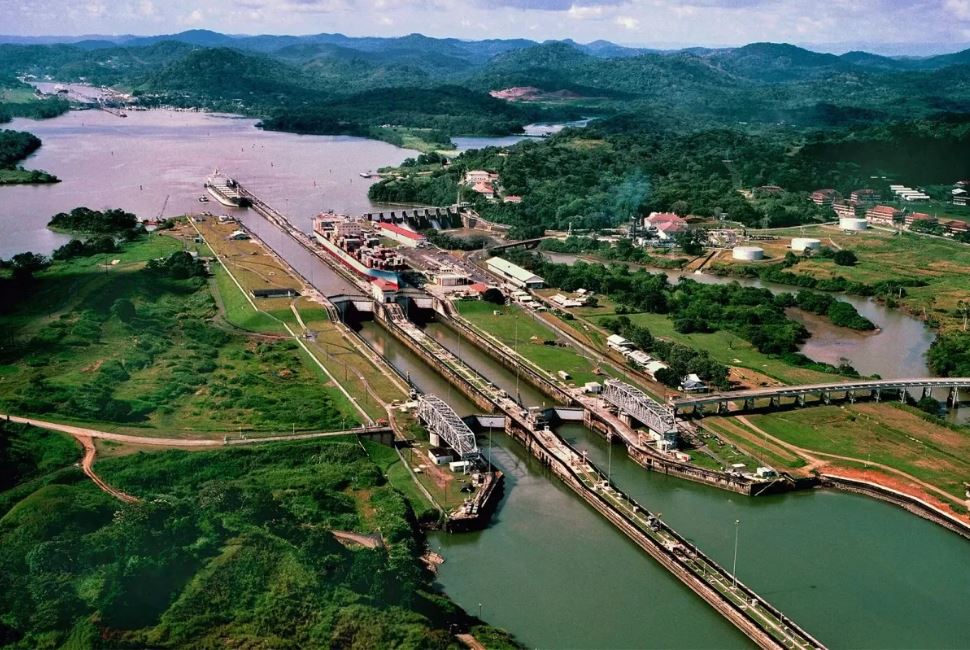

The Middle East-centric conflict and uncertainty surrounding the Strait of Hormuz are causing a major reshuffle in global maritime trade. This is directly reflected in the Panama Canal , where the pressure on ships transporting essential goods has increased significantly.
According to the canal authority, a ship carrying liquefied natural gas (LNG) recently purchased priority passage for about $4 million. While it would normally take days to wait, companies are willing to spend extra to mitigate supply risks in the current situation. Analysts say the trend could put additional pressure on fuel costs and global supply chains.
As the post-conflict energy supply from the Persian Gulf becomes increasingly uncertain, many buyers are turning to alternative sources. The strategic importance of the Panama Canal, which connects the Atlantic and Pacific Oceans, has been re-emerging, particularly with the increasing trend of importing energy from the United States.
Meanwhile , a new debate has also begun over the Strait of Malacca, another important waterway in the world . Indonesia ‘s Finance Minister Purbaya Yudhi Sadewa has raised the possibility of imposing tariffs on shipping. According to him, the issue of converting strategic location into economic benefits could be considered.
However, Singapore and Malaysia have objected to the proposal . Both countries say that undermining the principle of keeping international waterways open will have a negative impact on global trade. Singapore’s Foreign Minister Vivian Balakrishnan stressed the importance of freedom of international navigation and said that new financial barriers should not be created on such routes.
According to analysts, the Hormuz crisis is changing not only the energy market but also the strategic balance of global maritime trade. The increased pressure on the Panama Canal and the toll dispute in Malacca – both events show that international trade is now not only market-driven, but also deeply influenced by geopolitical realities.