

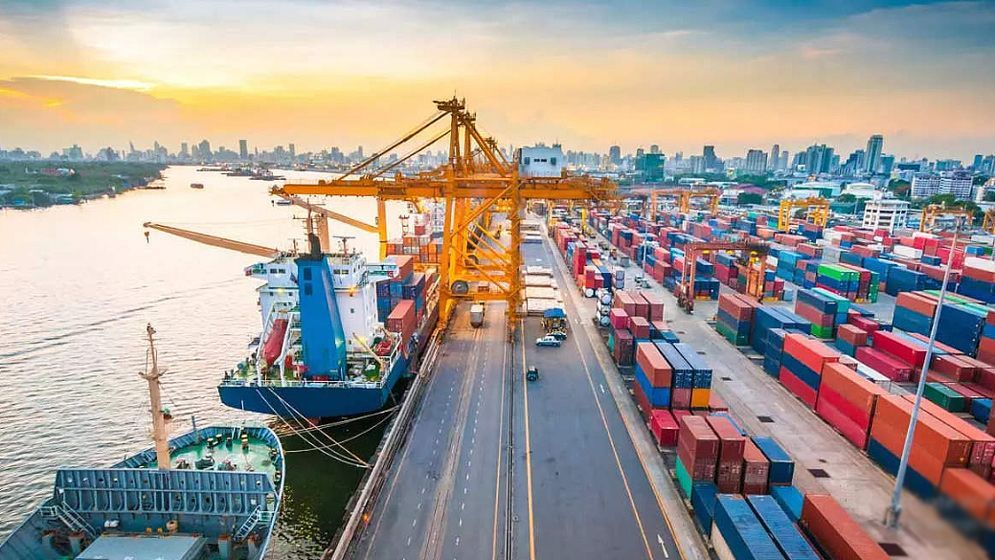

A major portion—almost 60 percent—of Chittagong Port’s future container handling capacity is going into the hands of foreign operators through long-term contracts. Under the Public-Private Partnership (PPP) framework, two major terminal agreements were signed in Dhaka yesterday under confidentiality terms.
Denmark’s APM Terminals will operate the Laldia Terminal for 33 years, while Switzerland’s Medlog SA will manage the Pangaon Inland Container Terminal for 22 years. However, political parties, left-wing organizations, and Islamist groups have raised concerns about the transparency of the process, especially as the Laldia Terminal agreement was concluded in just two weeks.
According to available information, all approvals—from submitting proposals in the first week of November to receiving approvals from the Ministry of Shipping and Ministry of Law—were completed at an unusually fast pace. The agreement was signed just one day after final approval was granted on November 16.
Port experts have warned that if the terms do not align with the country’s strategic interests, there could be significant losses in the future. Currently, the Patenga Container Terminal is preparing to be handed over to Saudi Arabia’s Red Sea Gateway, and the New Mooring Terminal is soon to be transferred to DP World, a UAE-based company. The process of transferring part of the Bay Terminal to DP World and Singapore’s PSA is also nearing completion.
In this situation, political and religious organizations have opposed the agreements. Jamaat-e-Islami and Hefazat-e-Islam have termed the agreements a “threat to national security” and “a transfer of secret assets,” warning of mass movements against them. Some business leaders have called for full disclosure of the details of the agreements, while others have welcomed foreign expertise and modern technology but opposed the secrecy of the contracts.
Amid the controversy, Ashik Chowdhury, Chairman of the Bangladesh Investment Development Authority (BIDA), stated that the ownership of the port will remain with Bangladesh, while foreign operators will only take on management responsibilities for a specified period. He believes that the experience of international operators is crucial to addressing challenges of weak performance and corruption.