

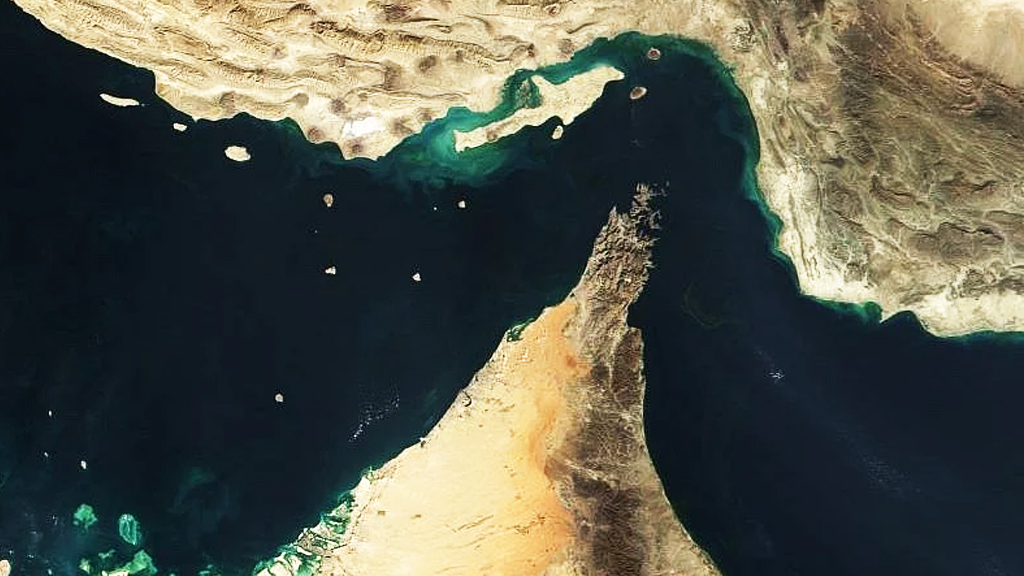

Tensions in the Middle East have reached a new and dangerous point. In response to military attacks by the United States and Israel , Iran has announced the temporary closure of the Strait of Hormuz , one of the world’s most important sea lanes . The decision by the Iranian Navy has suspended all shipping through the strait.
The narrow waterway, located at the junction of the Persian Gulf and the Gulf of Oman, carries a large portion of the world’s energy trade. About 15-20 percent of the world’s oil and more than a third of its liquefied natural gas (LNG) passes through it. Experts fear that a long-term blockade could cause a major blow to the global economy.
According to Russian media, the price of oil per barrel, currently around $80, could reach $250 if supply is disrupted. In the meantime, the price of Brent crude has risen to around $78.5 after the Israeli attack.
Asian countries are most at risk. About 80 percent of the energy that passes through this route is destined for Asia, with a large portion of it linked to the economies of China, India and East Asia. Analysts warn that if this route, which carries an average of 200-300 ships per day, is closed, it will put pressure on global energy, transport and commodity prices.