

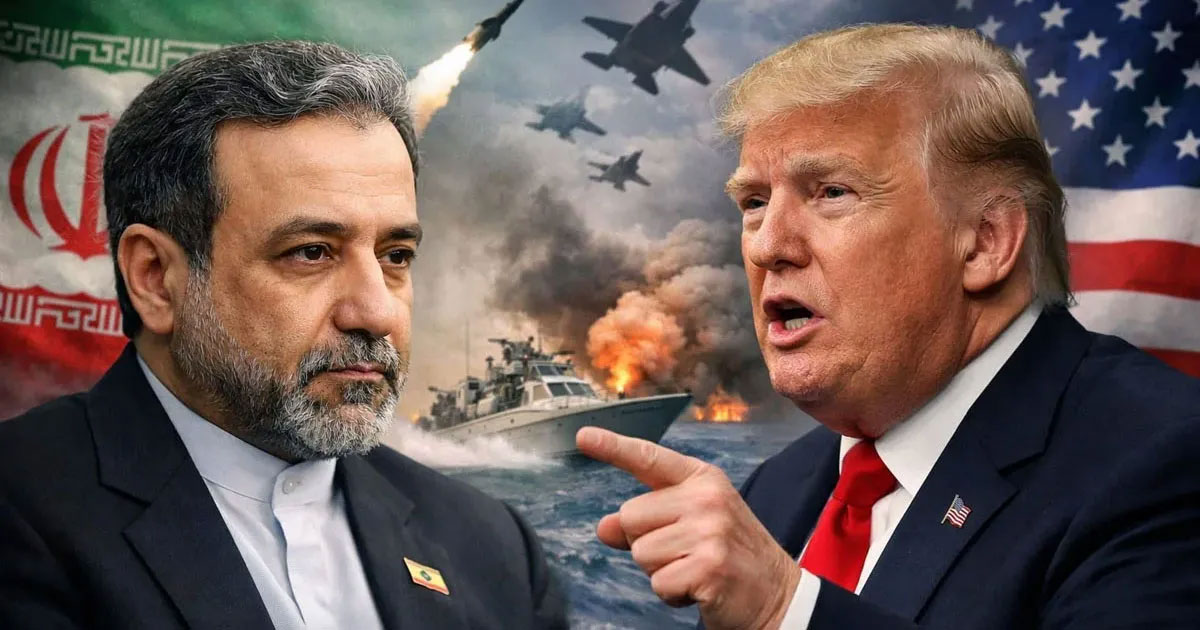

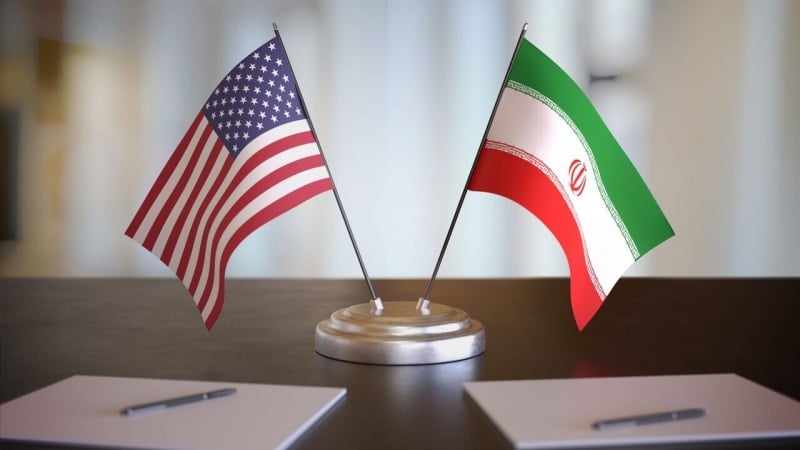
A significant progress has been made on the eve of the start of the much-anticipated US-Iran dialogue in Islamabad. Washington has agreed to free up a portion of Iran’s seized assets that are seen as an attempt to create a positive atmosphere in the talks.
A senior Iranian official told Reuters that Tehran considers the decision a “test of wish”. According to him, this proves that the United States is taking the talks seriously and is keen to move forward on the path of compromise.
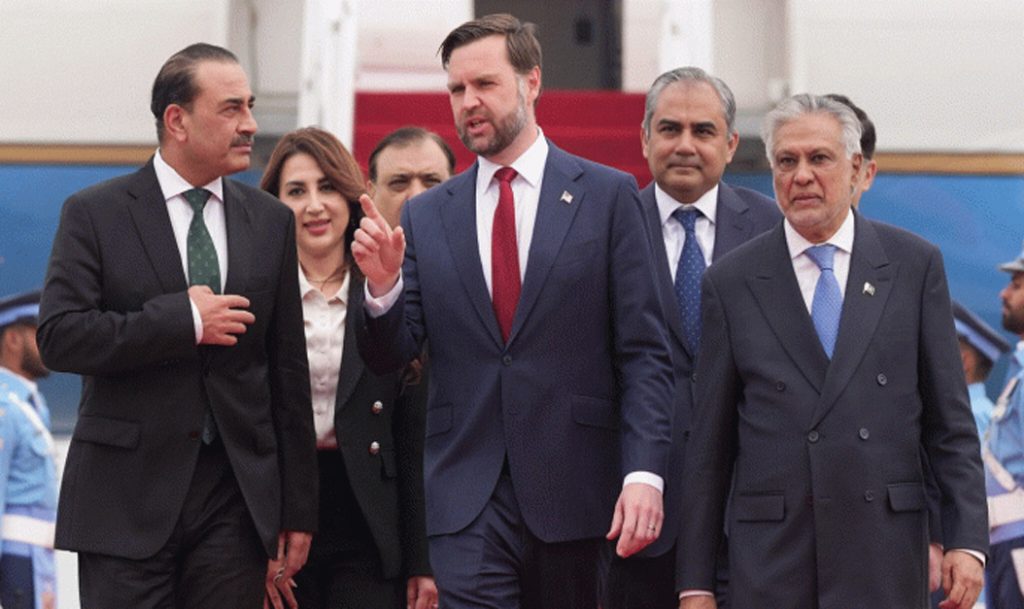
Diplomatic sources say the move is closely linked to the normalisation of shipping in the Strait of Hormuz. That is, if Iran does not interrupt international shipping, the United States can gradually ease economic sanctions in return.
Earlier, the speaker of Iran’s parliament, Mohammad Bagher Ghalibaf, made it clear that the talks would not start unless Israel’s military operation in Lebanon was stopped and Iran’s seized assets were not freed. His position was considered a pre-condition of the discussion.
Analysts say the decision to release the seized assets could help reduce the lack of trust between the two countries. Iran’s large amount of foreign exchange has been stuck in several countries due to long-standing U.S. sanctions, which has put a lot of pressure on the country’s economy.
However, the situation is still bad. U.S. President Donald Trump has warned that military alternatives are being taken into account if progress is not made in the talks. His statement is clear from that Washington has maintained diplomatic initiatives as well as pressure-taking strategies.
The conflict that began in Iran after a joint attack by the United States and Israel in late February lasted for about forty days. Although the ceasefire is in effect, it is still in a fragile state.
In this context, Islamabad’s dialogue is seen as an important opportunity to defuse tensions in the Middle East. However, observers believe that it will not be easy to reach a permanent solution due to mutual distrust and regional complications.