

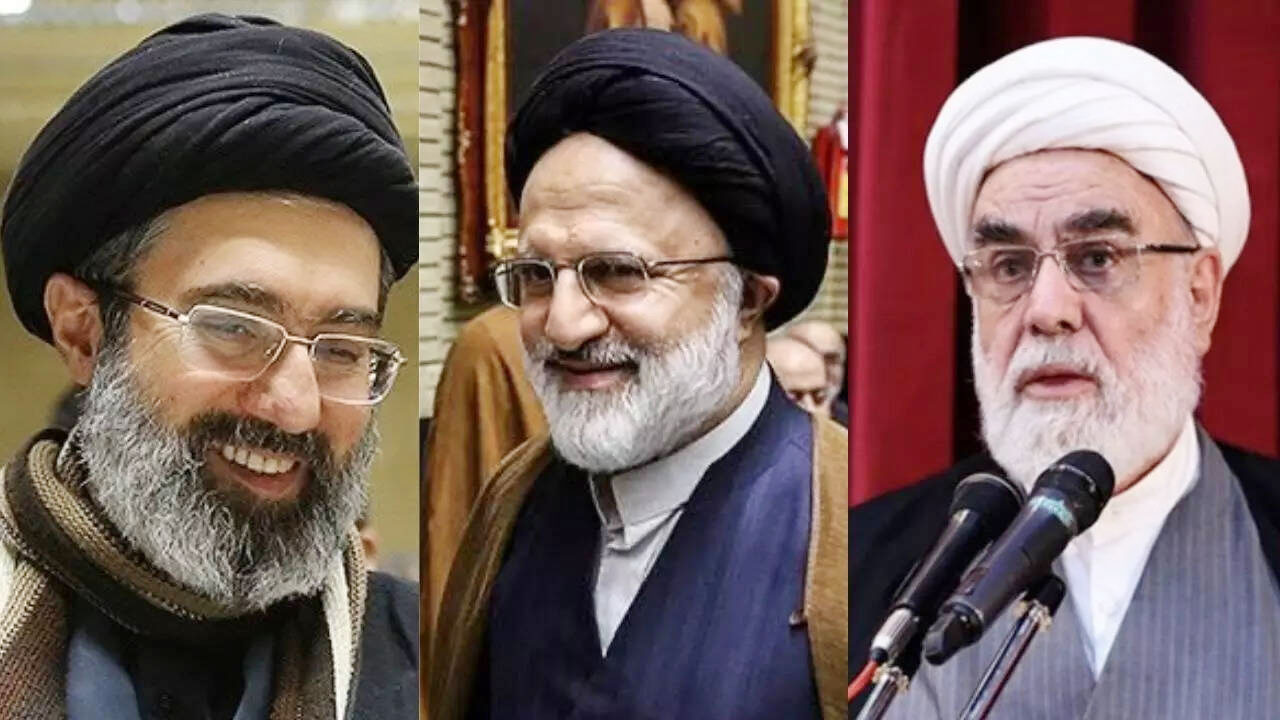

The succession question has come to the fore in Tehran after the assassination of Iran’s Supreme Leader Ayatollah Ali Khamenei . The decision was made by the Assembly of Scholars, the country’s political-religious structure. International observers and Iranian sources are currently pointing to five possible names – all with varying degrees of influence, religious status and ties to the security establishment.
Mojtaba Khamenei (56),
Khamenei’s second son, has influence in domestic politics and security circles, but his high-ranking religious status and lack of formal state office are major obstacles. The hereditary succession system in Iran is also controversial.
Alireza Arafi (67)
is a well-established cleric close to Khamenei. He is the vice-chairman of the Council of Scholars and a member of the Guardian Council. However, his direct influence with the military-security community is limited.
Mohammad Mehdi Mirbagheri (60)
is a hardline cleric, member of the Council of Scholars. Known for his anti-Western stance; heads an academic institution in the city of Qom. His hardline ideology is both his strength and his risk of division.
Hassan Khomeini (50),
grandson of the leader of the Islamic Revolution, Ruhollah Khomeini, has a relatively restrained image but little influence in the administration and security establishment.
a senior cleric and first vice-chairman of the Council of Clerics. He is close to Khamenei but has limited connections in military circles.
According to observers, ultimately the decision will be determined by a combination of religious prestige, security establishment support, and political acceptability. Source: CNN