

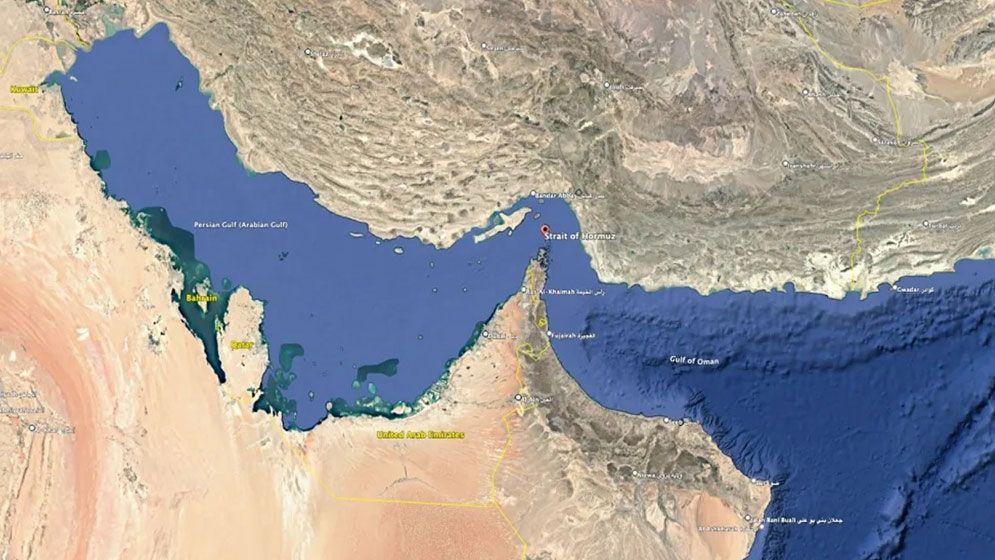

In a calibrated show of force during indirect nuclear negotiations with the United States, Iran on Tuesday temporarily closed the Strait of Hormuz, a critical waterway that carries nearly 20 percent of the world’s oil supply.
The announcement came as Iranian and American representatives were meeting through intermediaries in Geneva. Iranian state media said the closure, lasting several hours, was linked to military drills and maritime security operations, including live missile launches by the Revolutionary Guard. Analysts described the move as Iran’s most explicit threat to the waterway since the 1980s.
As tensions rose, Iran’s supreme leader, Ali Khamenei, warned that even the strongest militaries are vulnerable. At the same time, Foreign Minister Abbas Araghchi struck a more diplomatic note, saying the talks had opened a path toward a possible agreement, while insisting Iran remained ready to defend itself.
The episode unfolded against a backdrop of heightened U.S. military presence in the region, including the deployment of an additional aircraft carrier. Oil prices initially climbed on news of the closure before easing as negotiations continued.
Attention now turns to Tehran’s promised proposal in the coming weeks, which could either ease a long-running nuclear standoff or deepen regional tensions.