

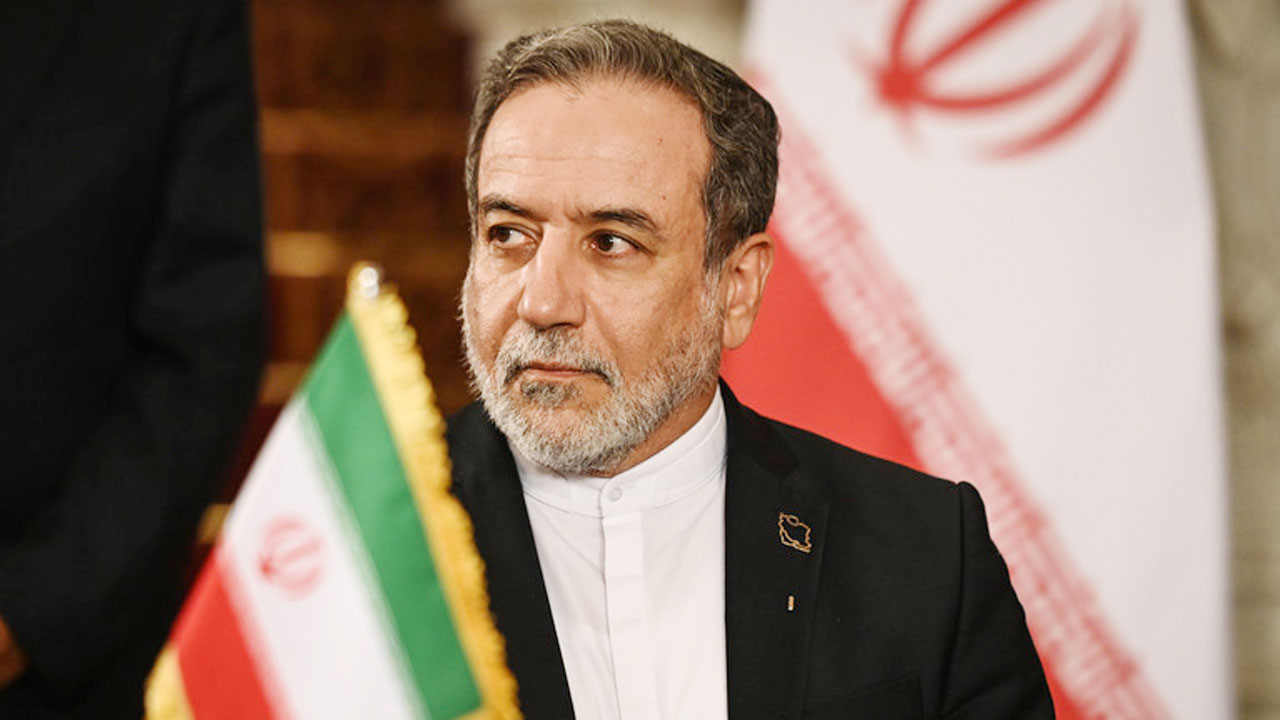

Iran has suspended its cooperation agreement with the United Nations’ nuclear monitoring agency, the International Atomic Energy Agency (IAEA). The country’s Foreign Minister, Seyed Abbas Araghchi, confirmed the move in a televised interview on Sunday.
Araghchi stated, “We have suspended the nuclear cooperation agreement with the IAEA. We will return to the agreement if the UN presents a proposal that safeguards Iran’s rights and national interests.”
Iran originally signed the Non-Proliferation Treaty (NPT) with the IAEA in 1968, during the reign of Shah Reza Pahlavi. Under the treaty, Iran pledged not to develop nuclear weapons and to cooperate with the IAEA.
Relations between Iran and the IAEA soured after clashes with Israel and the United States in June. In a statement on June 6, the IAEA reported that Iran currently holds 400 kilograms of uranium enriched to 60 percent. Uranium enriched to 90 percent could be used to produce nuclear weapons.
A week after the statement, Israel launched a nighttime airstrike operation in Iran named “The Rising Lion.” Over the 12-day conflict, Iran lost its military chief, senior defense officials, and at least 12 senior nuclear scientists. Significant damage was also inflicted on Iranian nuclear facilities. The whereabouts of the 400 kilograms of uranium remain unknown, according to the UN.
Although the IAEA expressed interest in visiting Tehran for dialogue, Iran said it was open to talks but not obligated to grant access to nuclear sites.
In September, Araghchi held meetings with the foreign ministers of the UK, France, and Germany. However, the talks failed as Iran refused to accept the UN’s proposals, and the UN subsequently imposed new sanctions on the country.
Asked on Sunday whether discussions with European countries would resume, Araghchi stated, “We do not see the need. There is no basis for further meetings with Europe.”