

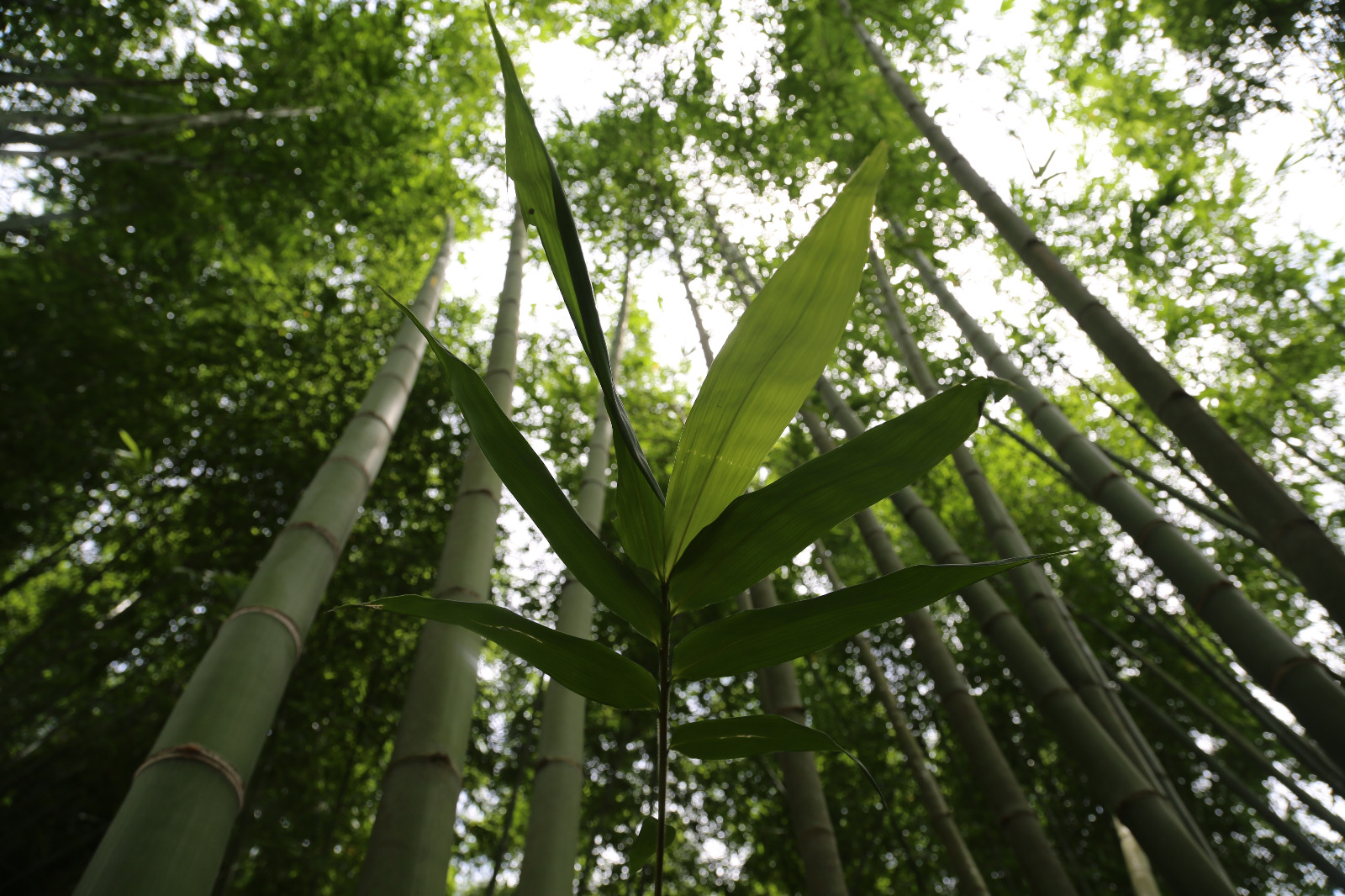

Today, September 18, marks World Bamboo Day—a celebration of bamboo, an inseparable part of rural life in Bangladesh and a key instrument for sustainable development and environmental conservation worldwide. The day was first declared in 2009 during the 8th World Bamboo Congress held in Bangkok. Since then, it has been observed in nearly 100 countries, and this year marks the 19th celebration. The theme for 2025 is “Next Generation Bamboo: Solution, Innovation, and Design,” emphasizing the expanded use of bamboo through modern technology, design, and creativity.
Often called “Green Gold,” bamboo is not actually a tree but the largest member of the grass family. Globally, there are 1,678 species of bamboo, with 30–40 species found in Bangladesh. Known for its rapid growth, bamboo can grow up to three feet in a single day. Within just four to five years, it becomes harvest-ready, and after being cut, new shoots emerge from its root base. This unique cycle continues until the rare event of bamboo flowering—something that occurs roughly once in a century, a phenomenon that science has yet to fully explain.
Bamboo’s utility extends far beyond traditional household use. It is increasingly being used as a sustainable alternative to timber in modern architecture, eco-friendly construction materials, furniture, as well as in the paper and textile industries. Bamboo shoots, popularly consumed as food in Asia, add another dimension to its versatility. Studies suggest that bamboo produces 20–35 percent more oxygen than most trees and absorbs carbon dioxide at a higher rate, making it a vital ally in the fight against climate change.
Countries like China, Japan, Thailand, and Indonesia have already industrialized bamboo production. Recently, India’s Assam inaugurated the world’s first bamboo-based 2G bioethanol plant, marking a breakthrough in renewable energy. The global bamboo market is currently valued at around $70–80 billion and is expanding rapidly. While Bangladesh’s geography and climate are favorable for bamboo cultivation, a lack of planning and unchecked deforestation have hindered the nation from fully harnessing this “green gold.”
In Bangladesh, bamboo also carries a satirical connotation in colloquial language—“getting the bamboo.” Yet, in reality, bamboo symbolizes resilience and humility. A Chinese proverb reminds us: “Like bamboo, the higher you grow, the lower you bow.” On this World Bamboo Day, let us recognize bamboo not merely as a metaphor for satire but as a symbol of possibility, sustainability, and humility.