


Staff Correspondent
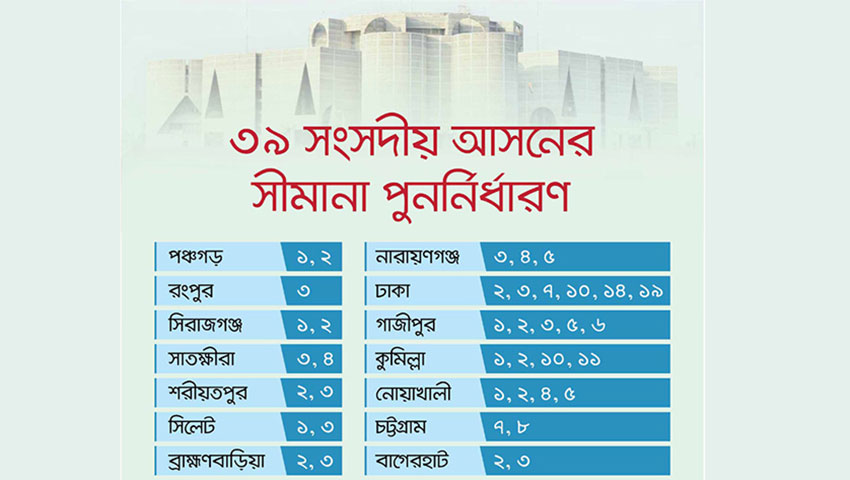
The Election Commission (EC) has received 1,596 objections regarding the proposed redrawing of boundaries for 82 parliamentary constituencies ahead of the 13th national elections. The EC published draft demarcations for 39 constituencies on July 30, allowing stakeholders to file objections until August 10.
Strong Opposition in Bagerhat, Brahmanbaria
Particular resistance emerged over the EC’s proposal to abolish Bagerhat-4 constituency, with BNP leader Kazi Moniruzzaman Moni meeting the Chief Election Commissioner to protest. Similarly, local leaders from Brahmanbaria-3 submitted petitions opposing the division of Vijaynagar upazila between two constituencies, signed by prominent community representatives.
EC’s Rationale for Boundary Changes
Election Commissioner Anwarul Islam Sarkar explained that constituencies were adjusted based on an average voter count of 420,500 per district. “Only Gazipur gained and Bagerhat lost one seat to maintain this equilibrium,” he stated, emphasizing efforts to preserve upazila integrity while accommodating administrative changes and geographical factors like river boundaries.
Review Timeline and Hill District Exemptions
The EC aims to resolve all objections within August. Notably, the three hill districts saw no alterations to their constituency counts. The commission maintained that its approach prioritized administrative continuity, voter accessibility, and population balance – including adjustments for newly created or dissolved administrative units.
Technical Considerations in Demarcation
The EC’s framework capped inter-constituency voter disparities at 30%, avoided splitting city corporation wards, and incorporated infrastructure considerations. Commissioner Sarkar confirmed, “Beyond Gazipur and Bagerhat, only 39 constituencies required minor adjustments without affecting seat numbers elsewhere.” Final decisions await scrutiny of last-minute submissions to the EC Secretariat.