

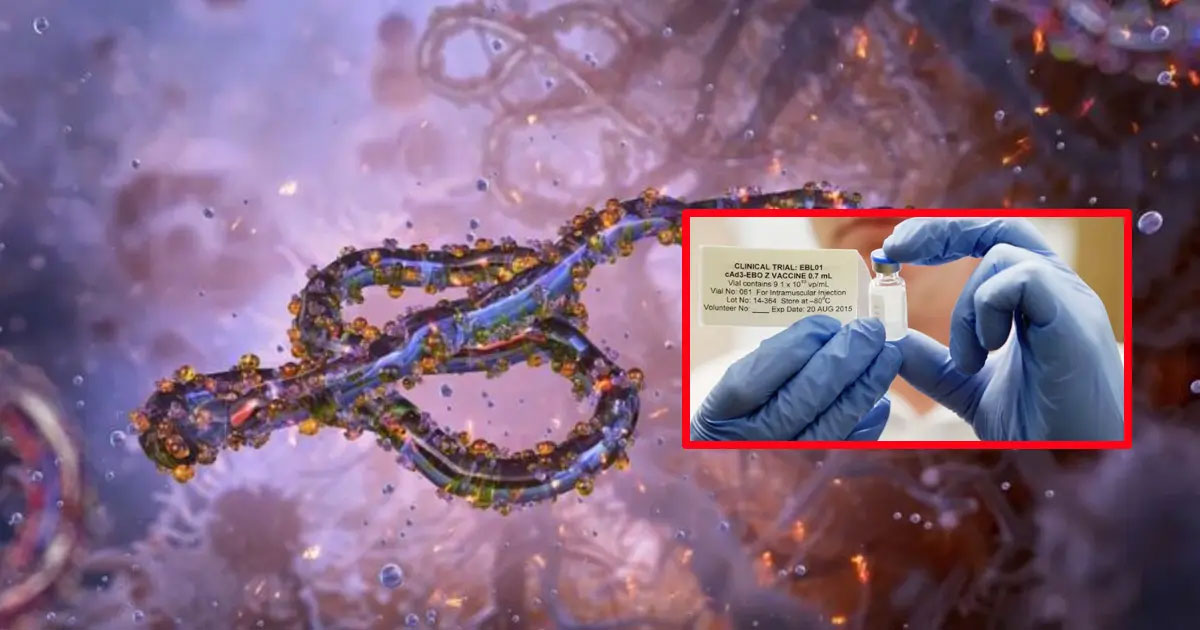

The World Health Organization (WHO) has said that it could take up to nine months for an effective vaccine to be available to prevent the spread of the deadly viral disease Ebola.
The organization’s global health security advisor, Dr. Vasi Murthy, said that two potential vaccines against the Bundibugyo strain of Ebola are currently being developed, but they have not yet reached the stage of clinical trials.
“The entire process, including research, testing and safety verification, requires significant time to complete. As a result, the chances of bringing a vaccine to market quickly are limited,” he said at a press conference at WHO headquarters in Geneva. According to experts, developing an effective vaccine to combat the new strain of the virus has become a major challenge for global public health.
The Ebola outbreak in the Democratic Republic of the Congo in Central Africa is currently taking a worrying turn. According to the World Health Organization, more than 100 people have died in the country and hundreds have been diagnosed with infection-like symptoms. The majority of the infected people are residents of the Ituri and North Kivu regions in the eastern part of the country. At the same time, cases of infection have also been detected in neighboring Uganda, which further increases the regional health risk.
Considering the seriousness of the situation, the WHO declared a public health emergency of international concern on May 17. However, the organization said that the current situation has not yet reached the level of a global pandemic. WHO Director-General Tedros Adhanom Ghebreyesus said that while the spread of the disease is very serious regionally, it is not yet ready for global spread.
According to experts, although Ebola is extremely deadly, it is not spread through the air. Infection occurs when an infected person or animal comes into contact with bodily fluids, including blood, saliva, sweat, vomit, feces, and urine. The virus can also spread through clothing used by an infected person, medical equipment, or touching a dead body. As a result, health workers and family members of the infected are most at risk.
Symptoms of Ebola include high fever, severe weakness, headache, muscle pain, diarrhea, vomiting, and in later stages, internal and external bleeding. If the disease becomes severe, liver and kidney function can also be severely affected. Due to its high mortality rate, Ebola is considered one of the most dangerous viral diseases in the world.
Scientists say fruit bats are considered natural carriers of Ebola. Some forest animals can also carry the virus. Researchers believe that the risk of infection is increasing due to the close contact between humans and wildlife in forest-dependent areas.
International cooperation is also being strengthened to prevent the spread of Ebola. The United Kingdom has already announced a large amount of financial support for disease control activities in Congo. The money will be spent on supporting health workers, disease detection, surveillance and emergency medical management.
Health experts say that until an effective vaccine is discovered, raising awareness, quickly diagnosing the disease, isolating infected people, and strengthening border surveillance are the most effective ways to control Ebola.