

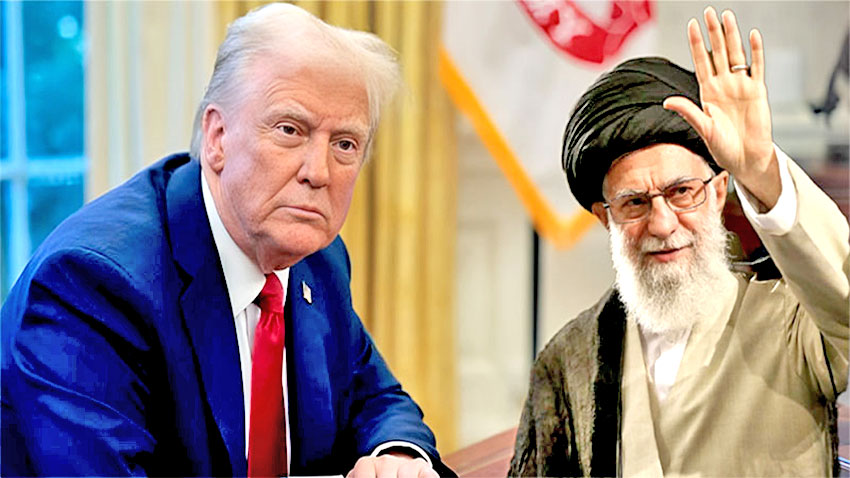

As tensions escalate between Washington and Tehran, security analysts have outlined seven possible outcomes should the United States launch a military strike on Iran.
1. Limited Precision Strikes
The U.S. could carry out targeted attacks on Iran’s Revolutionary Guard facilities, missile sites and nuclear infrastructure, aiming to limit civilian casualties. However, previous interventions suggest such strikes rarely lead to long-term stability.
2. Regime Survival with Policy Shifts
Iran’s leadership may remain in power but face pressure to alter its regional strategy, scale back proxy support and slow its missile and nuclear programmes—an outcome analysts view as unlikely given Tehran’s past resistance.
3. Transition to Military-Led Rule
Sustained pressure could weaken civilian governance, paving the way for a stronger role by the Islamic Revolutionary Guard Corps in political decision-making.
4. Iranian Retaliation Across the Region
Tehran has warned of retaliatory missile and drone attacks on U.S. bases and allied infrastructure in the Gulf and neighbouring states.
5. Disruption of the Strait of Hormuz
Iran could deploy naval mines or other measures to restrict shipping through the Strait of Hormuz, threatening global oil and energy supplies.
6. Naval Escalation
Asymmetric attacks on U.S. warships using drones or fast attack boats, though considered a high-risk option, could rapidly escalate the conflict.
7. Widespread Instability and Humanitarian Fallout
The most severe scenario involves prolonged internal unrest, potential fragmentation and a regional humanitarian crisis—an outcome feared by both allies and adversaries.
Analysts caution that any military action would carry unpredictable consequences for Middle East stability and global security.