

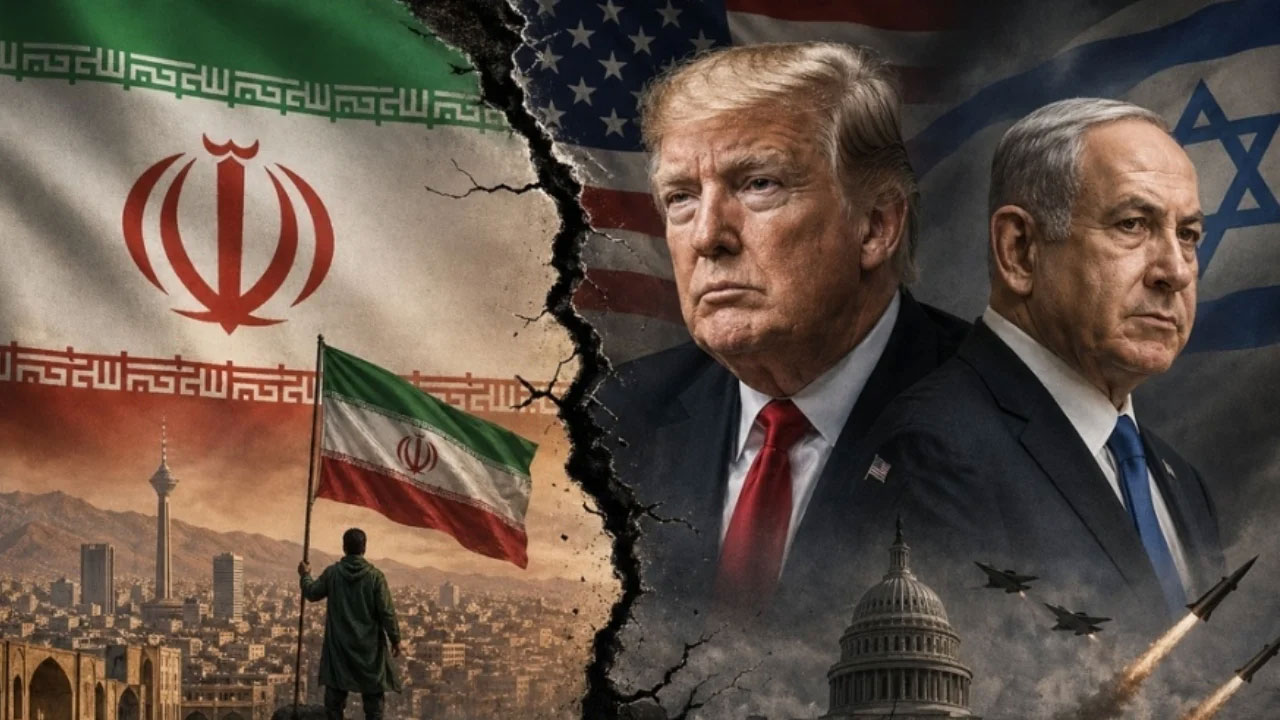

The strategic distance between US President Donald Trump and Israeli Prime Minister Benjamin Netanyahu has become clear, focusing on a ceasefire and a possible peace deal between the United States and Iran. Israeli officials believe the proposed deal could fail to meet the country’s long-standing security and military goals.
Trump and Netanyahu have been together to undermine Iran’s religious system and increase the influence of the U.S.-Israel coalition in the Middle East, but the recent situation has made a difference in their priorities. Israel is still keen to maintain a tough military stance where Washington wants to come out of the conflict and reach a diplomatic solution.
A senior Israeli official, speaking on condition of anonymity, said the current agreement was a concern for Israel and that was not satisfied with the country’s political and military leadership.
Conflicts between Lebanon and Hezbollah
One of the main concerns of the current tensions is Iran-backed Hezbollah. The Trump administration has tried to ease tensions in Lebanon, but the Netanyahu government wants to continue its military operation there.
At one point this month, Trump urged Netanyahu not to attack Beirut directly. Although the attacks were temporarily suspended, Israel later attacked southern Beirut again. In response, Iran launched a counter-missile attack, which further complicates the situation.
Israel is not bound by a peace treaty
According to medianer Pakistan, a memorandum of understanding (MoU) between the United States and Iran is scheduled to be signed on Geneva on Friday. It called for an end to military operations on various fronts, including Lebanon.
Israel’s Defense Minister, Israel Katz, has made it clear that the deployment of Israeli troops will continue in the buffer zones, bordering Lebanon, Syria and Gaza. He warned that if Iran launches an attack on Israel in the future, it will respond strongly.
The Hormuz stray is open, but there is uncertainty
Under the potential agreement, the crucial Strait of Hormuz is expected to reopen, which could bring relief to global energy supplies. However, important issues such as Iran’s nuclear program, missile development and support for regional armed groups are still expected to remain out of talks.
Netanyahu’s political pressure ahead of the election
According to political analysts, Netanyahu is facing new challenges ahead of the possible election. Although close ties with Trump have long been seen as a political force, the current situation can weaken that position.
Jonathan Rynhold, a political analyst at Bar-Ilan University, said the most convenient situation for Netanyahu could be if the negotiations broke down within 60 days and Israel’s strategic position strengthened.
According to a recent poll, only 41 percent of Jews think Trump prioritizes their security. A few months ago, the rate was 64 per cent, signaling a change in public opinion between the two countries.