

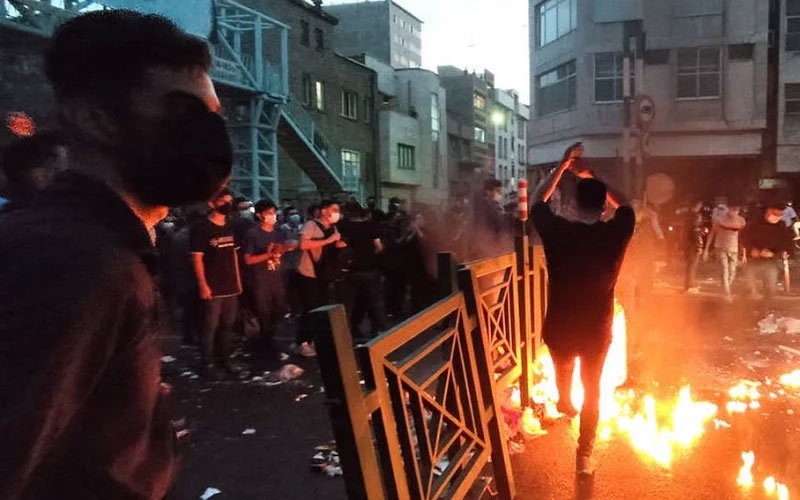

Authorities have shut down internet connections across the country as ongoing protests over a severe economic crisis reach a peak. The virtual internet blackout began Thursday night after a series of digital censorship measures as part of a crackdown on the protests, online monitoring group NetBlocks said.
Protests have been taking place in various cities in Iran since late December last year, protesting rampant inflation, rising living costs and a sharp devaluation of the currency, Al Jazeera reported. At least 21 people, including security forces, have been killed, according to AFP.
Thousands of people took to the streets in cities including Tehran on Thursday night to block roads. Protesters clashed with police and chanted slogans against political institutions. Local sources said the working class and lower-middle class were the hardest hit.
The government’s stance on the protests has been tough and ambivalent. While President Masoud Pezishkian has called for restraint, Supreme Leader Ayatollah Ali Khamenei and Chief Justice Gholam Hossein Mohseni AJE have declared a tough stance against the protesters and accused them of a foreign conspiracy.
Meanwhile, UN Secretary-General Antonio Guterres has called for an end to violence and the protection of freedom of expression. Human rights groups have accused security forces of raiding hospitals to arrest protesters.
According to analysts, while shutting down the internet is a tactic to control anti-government protests, it is severely undermining the people’s right to communicate and access information.