

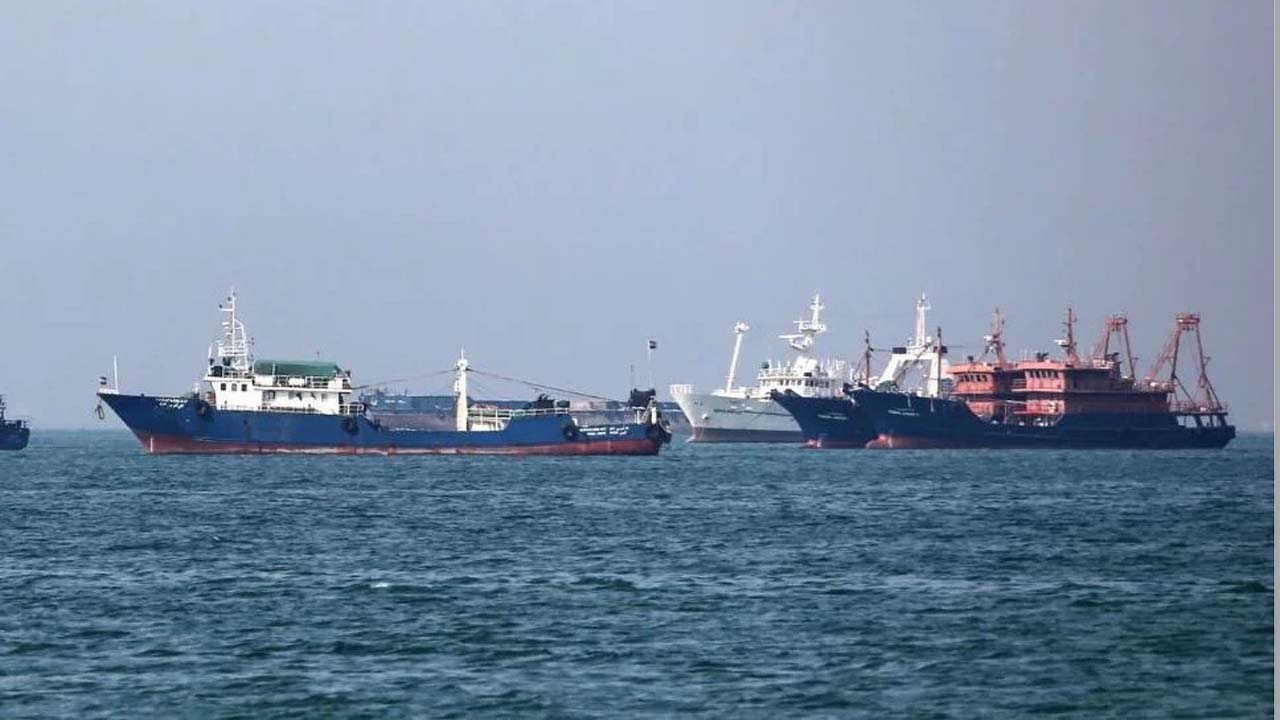

Iran has given an important assurance to Bangladesh to maintain normal energy supplies despite the ongoing tensions in the Middle East. Following Bangladesh’s request, Tehran said that ships carrying oil and liquefied natural gas (LNG) for Bangladesh will not be blocked from passing through the Strait of Hormuz.
Energy Ministry officials said Bangladesh has taken up diplomatic relations with Iran over the issue as regional conflicts have raised concerns about the security of the Strait of Hormuz, one of the world’s most important energy transport waterways. In response, Iran said it would not block Bangladeshi oil tankers from entering the strait if they inform the relevant authorities before entering. Officials believe this has eased the country’s immediate concerns about its energy supply.
Meanwhile, a fuel tanker from Singapore carrying 27,000 tons of diesel arrived at Chittagong Port on Monday. Four more ships carrying about 120,000 tons of diesel are scheduled to arrive in the country this week.
The government has announced that it has taken steps to import about 300,000 tonnes of diesel through direct purchase from alternative sources to meet the demand for the month of April. This step is being taken in view of the possible uncertainty in supply under long-term contracts.
According to the Energy Department, the daily demand for diesel in the country during normal times is about 12,000 tons. Currently, the government is supplying about 9,000 tons per day. Officials said that with a total of about 147,000 tons of fuel arriving in the upcoming five shipments, it will be possible to meet the national demand for about 16 days.
China and India have also shown interest in helping Bangladesh deal with the crisis. Finance Minister Amir Khasru Mahmud Chowdhury said that contacts are being maintained with various countries to ensure energy supply and there is no immediate threat of a crisis.
Currently, Bangladesh imports refined petroleum products from eight countries, including Malaysia, the United Arab Emirates, China, Indonesia, Thailand, India, Oman, and Kuwait.
The government has also strengthened market monitoring to keep the supply situation normal. Bangladesh Petroleum Corporation (BPC) has formed monitoring cells at the central and regional levels and district administrators have been instructed to operate mobile courts to prevent hoarding or irregularities.