

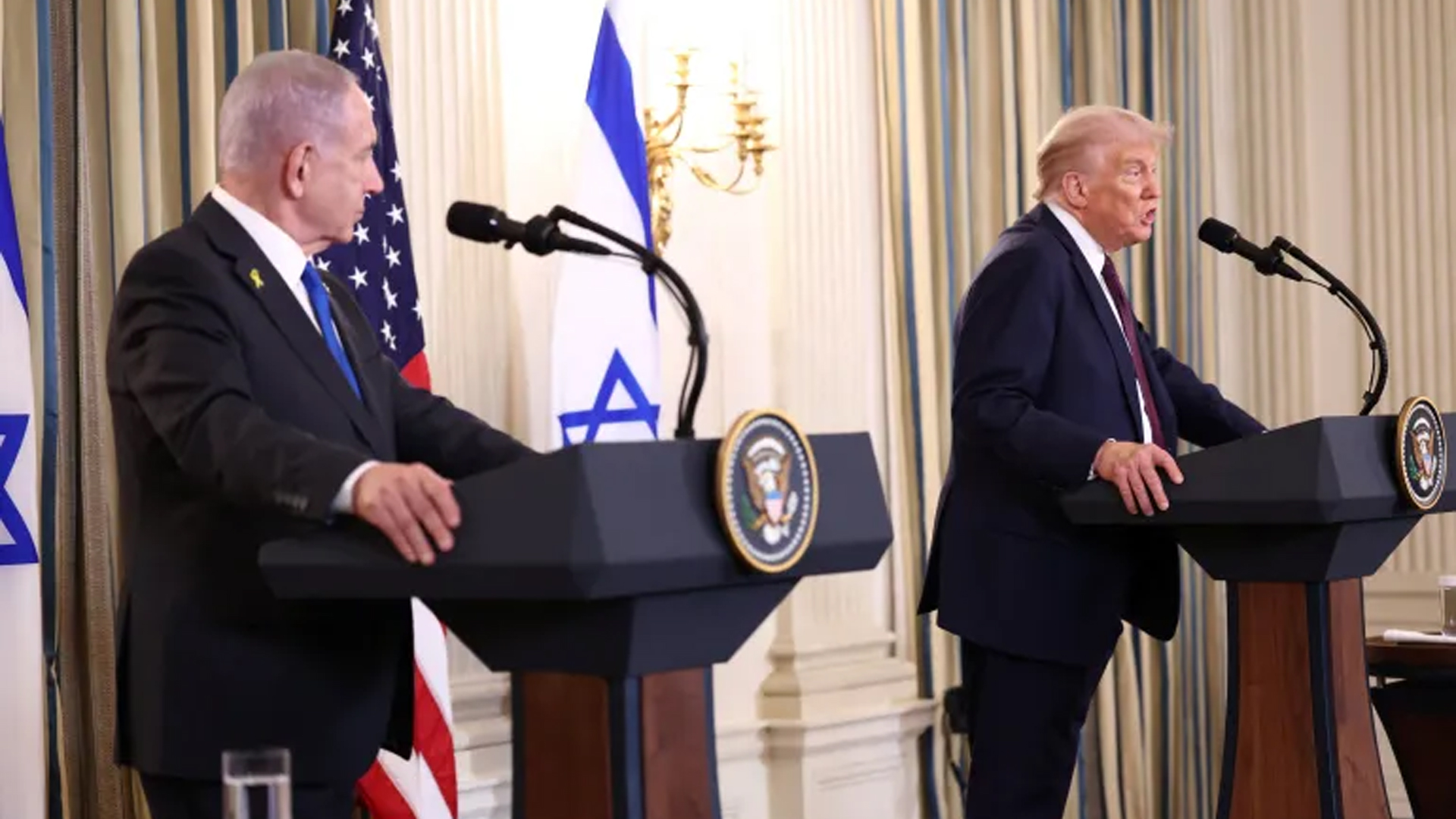

Israeli Prime Minister Benjamin Netanyahu has accepted U.S. President Donald Trump’s proposed 20-point peace plan aimed at ending the Gaza war, White House officials announced following a closed-door meeting and joint press conference on Monday (29 September). Trump called the proposal a “historic step” toward peace. Hamas has not yet issued any formal response.
Key elements of the plan (as outlined by the White House) include:
Hostage release: Hamas must release all Israeli hostages, alive or dead, within 72 hours of the agreement taking effect. The release of hostages would trigger a lasting ceasefire in Gaza.
Demilitarization of Hamas: Hamas is to be fully disarmed—its weapons, tunnel networks and military infrastructure destroyed—with Arab states providing assistance in that effort.
Interim administration for Gaza: Once Hamas relinquishes control, an interim administration composed of representatives from the U.S., European and Arab countries would govern Gaza; the plan states a “Board of Peace” would oversee implementation, with Trump named as its head.
Phased Israeli withdrawal: Arab and international efforts would aim to convert Gaza into a civilian zone and secure a phased withdrawal of Israeli forces, contingent on verification of the plan’s conditions.
Trump said Saudi Arabia, Qatar, the UAE and other Arab and Muslim leaders are involved and that he expects them to work to persuade Hamas to accept the deal. He warned, however, that if Arab states fail to disarm Hamas, Israel would complete the task—with full U.S. support if necessary. Trump also warned Hamas that refusal to comply or attempts to regroup would be met with force.
While Trump claimed reports that Hamas had agreed, no formal acceptance from Hamas had been received at the time of the announcement; some Palestinian leaders said they had not been formally presented with the proposal.
A “Board of Peace” is to be formed to monitor implementation; its composition, authority and technical details remain subject to further negotiations and diplomatic engagement.
International reaction and the practicalities of securing Hamas’ acceptance, the role of Arab states, verification mechanisms and on-the-ground implementation now move to the forefront of diplomatic efforts.