

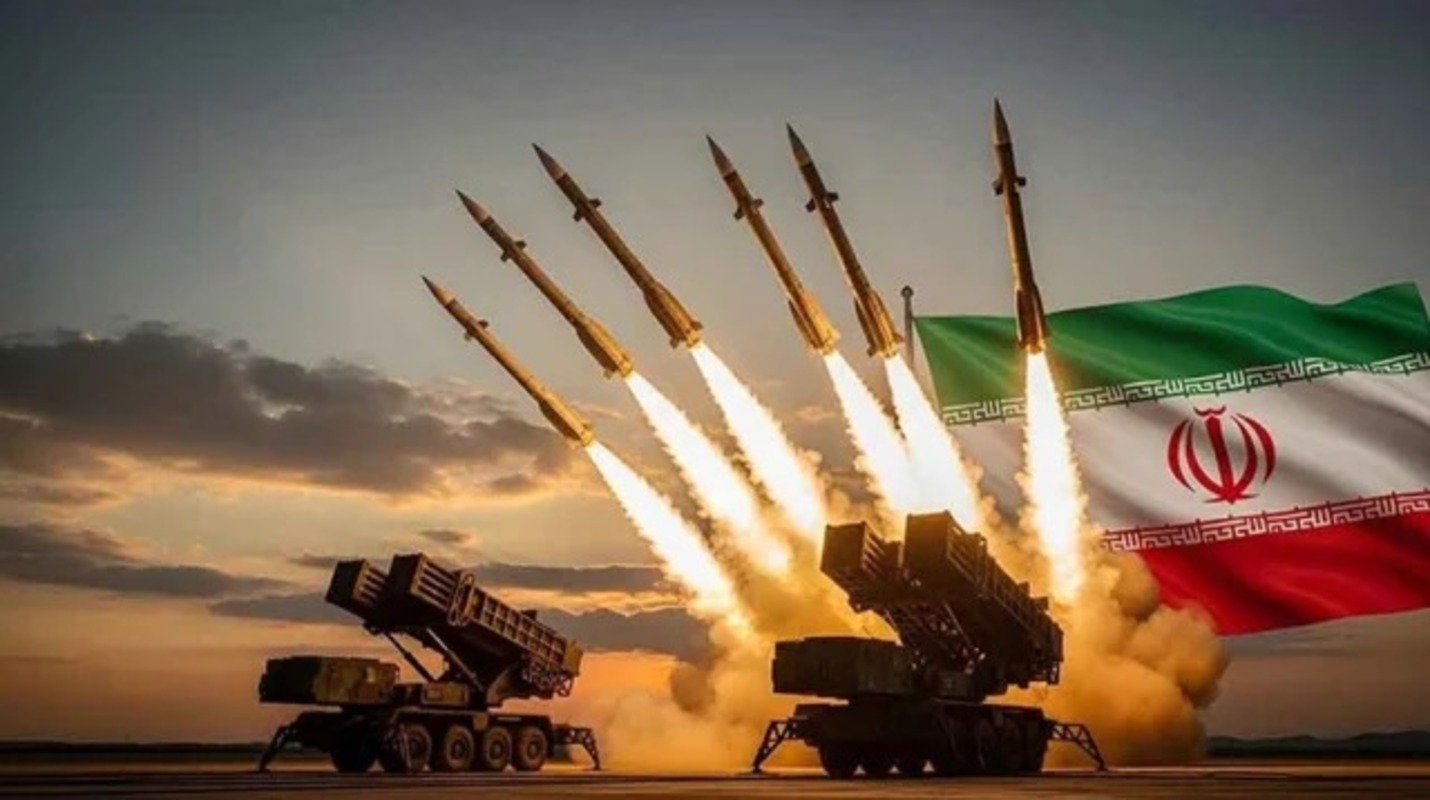

New military tensions have flared between the United States and Iran over the downing of a US Apache helicopter near the Strait of Hormuz.
Iran has claimed to have launched drone and missile attacks targeting US military installations in Bahrain, Kuwait and Jordan in response to the US attack.
Iran’s Islamic Revolutionary Guard Corps (IRGC) said the targets of their attacks were the headquarters of the US Navy’s Fifth Fleet in Bahrain, the Ali Al Salem Air Base in Kuwait, and a military installation housing US troops in Jordan.
Earlier, the United States claimed that an American Apache helicopter was shot down by an Iranian drone near the Strait of Hormuz. In response, the US Central Command (Centcom) launched multiple airstrikes on air defense systems and radar installations located in the Jask, Sirik and Qeshm islands in southern Iran.
The US Department of Defense said the operation was a “proportionate defensive measure” and that its military operations were terminated after the attack.
On the other hand, Iran’s state-run Fars News Agency claimed that a telecommunications tower and two water storage tanks in the Sirik region were damaged in the US attack.
Iran’s response
The IRGC and the Iranian military have reportedly launched a joint counter-offensive following the US attack. In a statement, the IRGC said that if the US continues its military operations, it will take a more severe and comprehensive retaliation.
Iranian Foreign Minister Abbas Araghchi said the United States had “misjudged Iran’s determination and deterrence.” He warned that any attack against the country would be responded to and called on US forces to leave the region.
Regional concerns
Following the incident, Bahrain’s Interior Ministry advised citizens to remain calm and seek shelter if necessary. Security precautions have been tightened in several Middle Eastern countries.
Analysts say the recent retaliatory attacks have raised the risk of a wider regional conflict in the Middle East, particularly if US bases in the Gulf region become direct targets, which could have implications for international energy supplies and global security.